
The Top 5 Fence Financing Options for Homeowners in 2026


The Top 5 Fence Financing Options for Homeowners in 2026
Last updated: 2026-11-25
Building a new perimeter for your property is a massive undertaking. Most people find they need more cash upfront than what is sitting in a desk drawer. Whether you want a modern composite privacy fence, a wrought-iron gate to boost curb appeal, or a simple chain-link barrier to keep the dog in, costs add up quickly.
A high-end cedar privacy fence can easily cost between $3,000 and $6,000. That price depends on the height and local timber costs. Professional installation labor can represent nearly half of your total invoice. When you factor in the current volatility of lumber prices and the rising cost of skilled labor, a project that seemed manageable can quickly spiral into a major capital expenditure.
Choosing a lender is like picking the foundation for your new fence. If the base is shaky, the whole project feels unstable. An improperly structured loan might lead to unexpected interest spikes or a repayment schedule that clashes with your monthly mortgage. Homeowners need to weigh the speed of funding against long-term interest to ensure the project doesn’t become a financial headache.
It is a balancing act. You want the immediate gratification of a completed backyard, but you also have to protect your credit score and monthly cash flow. Finding the right middle ground is the key to a successful renovation.
- Tower Loan
- Country Bank
- JetzLoan
- Farm Service Agency (USDA)
- Wiseloan
How These Fence Financing Providers Were Evaluated
We focused on how quickly a homeowner could access funds to pay contractors or supply stores. Speed often decides the fate of a fence installation. Delays in funding can lead to rising material costs or scheduling conflicts. If a contractor has a gap in their schedule next Tuesday, they may require a deposit immediately to secure your slot.
If you cannot provide that deposit due to banking delays, you might wait another month for their next availability. This could push your entire project into a different season entirely. Timing is everything when you are trying to coordinate labor and materials.
Reliability and transparency were also huge factors in this assessment. We looked at how clear the repayment terms were and how easy the application process felt. We also checked whether a credit inquiry would hurt your ability to secure other loans later. We wanted lenders that provide a “hard stop” on interest rates, meaning the rate you see is the rate you get.
We avoided those that use variable rates that could climb as the economy fluctuates. We also assessed the “friction” of the application process. This meant measuring how many documents, like pay stubs or tax returns, a borrower must upload before they receive a definitive answer.
Understanding the Real Cost of Fence Financing
Before selecting a lender, it is vital to understand the mathematical difference between different types of financing. Most homeowners fall into one of three categories: the “Cash-Rich” borrower, the “Credit-Reliant” borrower, and the “Emergency” borrower. Each of these profiles requires a different strategic approach to financing.
Consider a $5,000 fence project. If you use a credit card with a 22% APR and only pay the minimum, you could end up paying nearly double the cost of the fence over several years. Conversely, a personal loan with a fixed rate of 10% over three years provides a predictable path to ownership.
We have categorized the typical costs associated with these various methods below:
| Financing Type | Typical Speed | Interest Profile | Best Use Case |
|---|---|---|---|
| Personal Loan | 1–3 Days | Fixed/Predictable | Planned, large-scale upgrades |
| Credit Card | Instant | Variable/High | Small repairs or minor gate fixes |
| Home Equity Line (HELOC) | Weeks | Variable/Lower | Major renovations and property value adds |
| Instant Installment | Minutes | Fixed/Higher | Emergency repairs and breakage |
When comparing these options, remember that speed carries a price. The faster you get the money, the more likely you are to pay a premium for that convenience. If you are planning a project six months in advance, prioritize the lowest interest rate.
If your backyard fence has just been knocked down by a storm, you should prioritize the speed of funding, regardless of the interest premium. The goal is to match the loan to the urgency of your situation.
Quick Comparison of Top Lenders
| Lender Name | Max Loan Amount | Funding Speed | Credit Impact | Best For |
|---|---|---|---|---|
| Tower Loan | See site | See site | See site | General home improvement |
| Country Bank | See site | See site | See site | Personal & Business Banking |
| JetzLoan | $35,000 | Within 24 hours | No credit impact check | Fast, high-limit needs |
| Farm Service Agency (USDA) | See site | See site | See site | Agricultural properties |
| Wiseloan | $3,500 (returning) | As little as 15 minutes | See site | Emergency installments |
The Definitive 2026 Fence Financing Rankings
1. Tower Loan

Tower Loan is a versatile option for those who need a quick fix for various home expenses. Their online personal loans are designed to be simple and convenient. They are perfect for people who find traditional banking processes too slow. This makes them an ideal choice for the DIY enthusiast who realizes halfway through a project that they need more pressure-treated wood or specific hardware.
This lender is a solid choice if you need to bridge the gap between a project and your next paycheck. With over 260 offices across eight states, they offer a physical presence that many digital lenders simply cannot match. This footprint is valuable if you prefer to speak with a loan officer in person rather than navigating a chatbot.
Pros:
- Extensive physical presence with over 260 locations.
- Convenient online application process.
- Versatile use for home improvement or repairs.
Cons:
- Specific loan terms and interest rates are not listed upfront.
2. Country Bank

Country Bank operates as a traditional, FDIC-insured institution. This provides a level of security that is hard to beat. They offer a wide spectrum of services, ranging from personal to business banking. For a homeowner planning a massive estate perimeter project—perhaps one involving stone pillars and heavy ironwork—this institutional stability is paramount.
If you prefer a relationship-based banking model, this is a strong contender. They provide various resources to help manage the finances of a large-scale project over time. If you already have a mortgage with a local bank, negotiating a specialized rate for home improvements can sometimes be more effective than going to a third-party fintech lender.
Pros:
- Backed by the full faith and credit of the U.S. Government.
- Comprehensive suite of personal and business banking tools.
- Offers specialized accounts and mortgage services.
Cons:
- Traditional banking structures can sometimes be slower than fintech.
3. JetzLoan
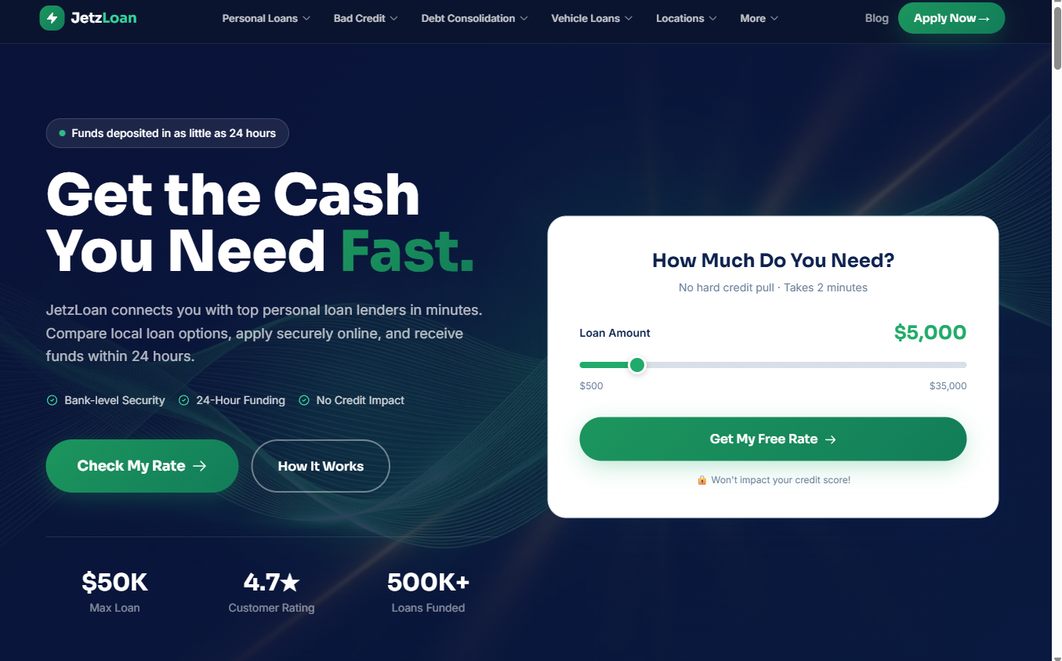
JetzLoan is built for the consumer who wants answers yesterday. They specialize in connecting users with top lenders in minutes. This is an excellent choice if you need to secure a quote for a fence installation immediately. This is particularly useful in competitive markets where contractors may only have a single opening in their schedule. (jetzloan.com)
The standout feature here is the speed of funding, which can occur in as little as 24 hours. They also offer a “no credit impact” check. You can see your rate without the fear of hurting your score. This “soft pull” mechanism is a critical tool for comparison shopping, allowing you to gauge your borrowing power across multiple providers before committing.
Pros:
- Very high maximum loan amount of $35,000.
- Funds can be deposited within a 24-hour window.
- No hard credit pull to check your initial rate.
Cons:
- The high maximum amount may not be accessible to all applicants.
4. Farm Service Agency (USDA)
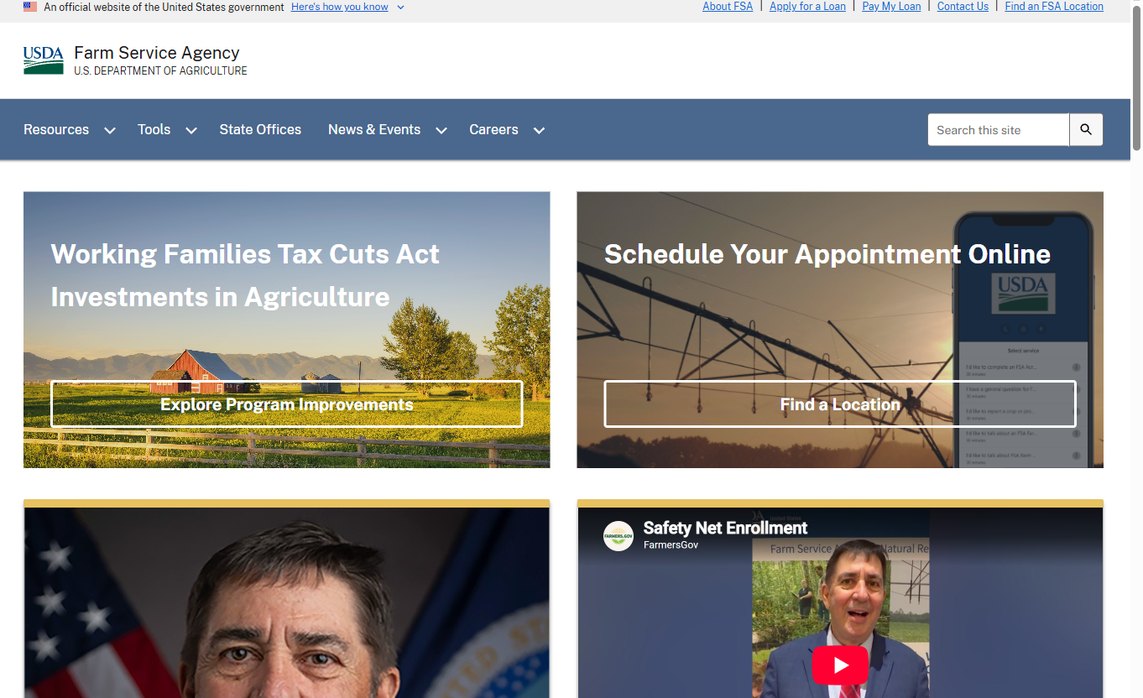
The Farm Service Agency is a government entity that serves a very specific niche. If your “fence” is actually a perimeter for a working farm or agricultural land, this agency provides specialized support. This might include fencing for livestock, large-scale boundary markers for acreage, or security perimeters for equipment storage.
This is not a quick-fix option for a suburban backyard. However, for those in the agricultural sector, it is a vital resource. They provide mission-driven support to help agricultural production thrive. The requirements are often tied to the productive use of the land, ensuring capital supports the farmer’s livelihood rather than just aesthetic upgrades.
Pros:
- Official U.S. Department of Agriculture support.
- Specifically designed for the needs of agricultural production.
- Government-backed stability.
Cons:
- Highly specific eligibility requirements for agricultural use.
5. Wiseloan
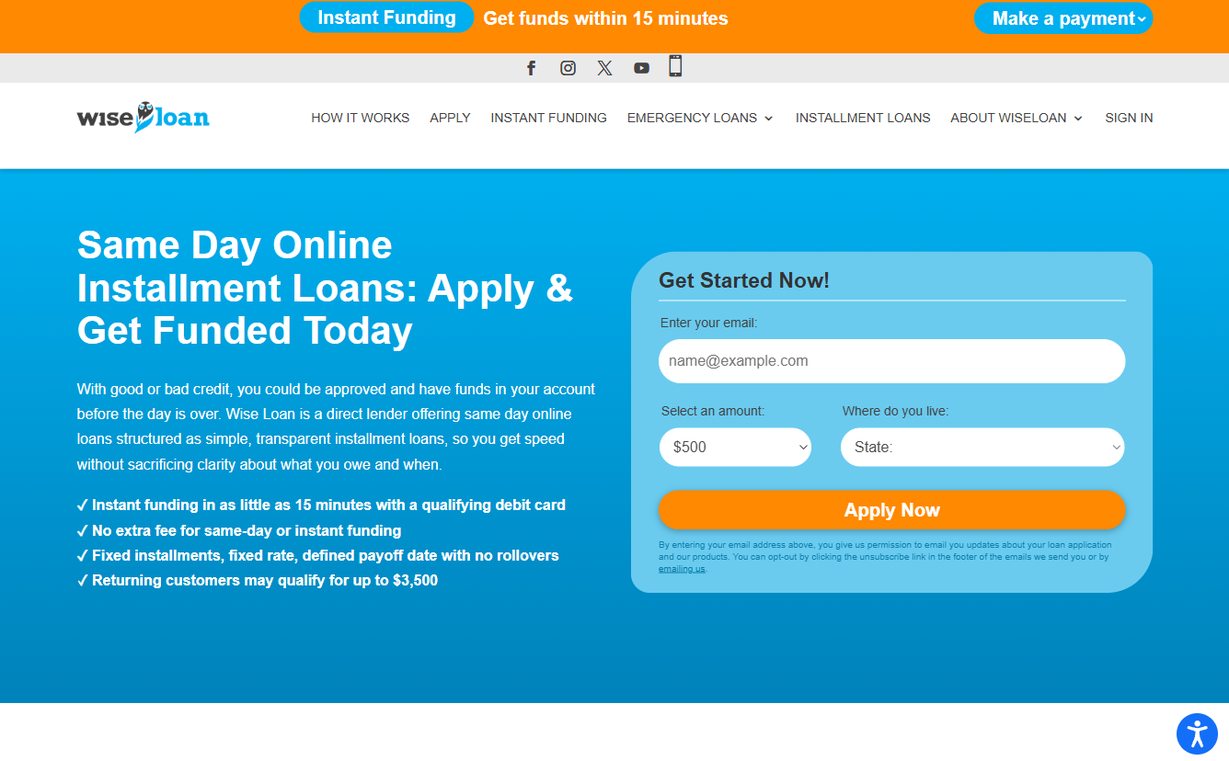
Wiseloan is the “emergency” option for when a fence collapses or a gate breaks. They offer installment loans that can be funded in as little as 15 minutes with a qualifying debit card. This is the “break glass in case of emergency” lender for when a heavy storm has left your property exposed on a Sunday afternoon.
The structure is transparent, utilizing fixed installments and fixed rates. This prevents the “interest creep” that often plagues quick-access loans. You know exactly how much you will pay each month and exactly when the debt will be satisfied. This is a rare feature in the world of high-speed micro-lending.
Pros:
- Incredibly fast funding, sometimes within 15 minutes.
- Transparent, fixed installment structures.
- No extra fees for same-day or instant funding.
Cons:
- Lower loan limits, particularly for returning customers.
Avoiding Common Financing Pitfalls
One of the most common mistakes is ignoring the total cost of the loan in favor of the monthly payment. A small monthly payment might look attractive, but if it stretches the loan out for years, you might end up paying for that fence twice. A $5,000 loan with a $100 monthly payment sounds manageable, but over 60 months, you will have paid $6,000 total.
Another trap is failing to account for the hidden costs of home improvements. When you get a quote for a fence, ensure it includes taxes, delivery fees, and debris removal. Many contractors will charge extra to haul away your old, rotting wooden fence. That $300 removal fee can be the difference between your loan covering the whole job or leaving you with a leftover bill.
Finally, never rush into a high-interest loan just because the contractor is standing in your driveway with a truck full of lumber. While instant funding is tempting, taking an extra twenty-four hours to compare rates can save you thousands of dollars in the long run. A contractor’s urgency is not your financial responsibility. Patience is a virtue that pays dividends in home equity.